The 170-Year Signal
The Radical Architect of Leicester's Social Conscience
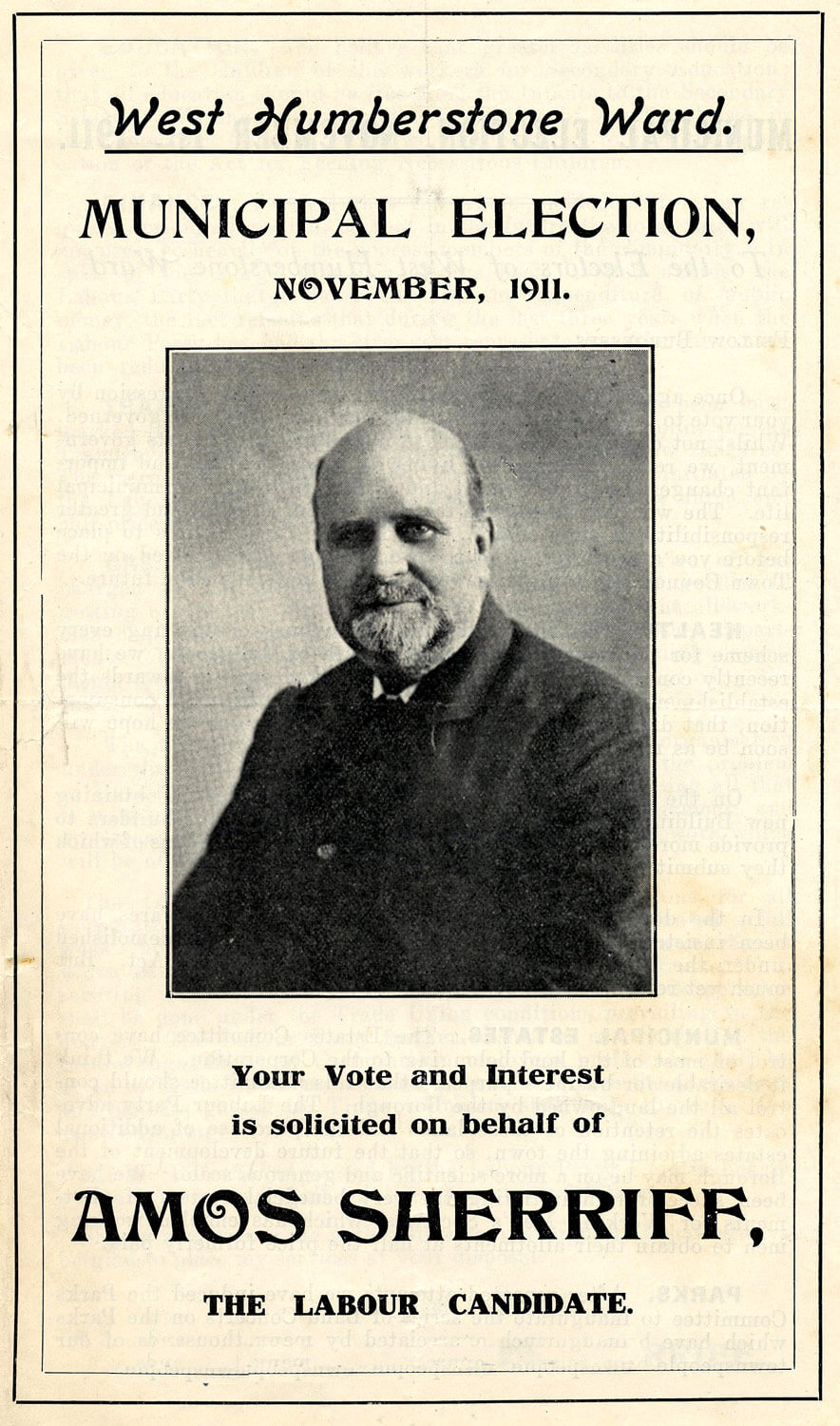
This is the story of Amos Sherriff (1856–1945). Born into the grinding poverty of Leicester’s Victorian slums, he began manual labour at six-and-a-half years old and remained illiterate until his twenties. He went from moulding 700 bricks an hour to leading a 100-mile march of 497 men that laid the groundwork for the modern welfare state, ultimately becoming the first Labour Lord Mayor of Leicester.
1. The Crucible of Russell Street
Amos Sherriff was born on 6 January 1856 at 23 Russell Street—a notoriously dense and impoverished slum in the Wharf Street area of Leicester. His father, William, was a glove framework knitter subjected to the exploitative system of "frame rents," ensuring the family lived in perpetual economic survival mode.
With no access to formal education, Amos was forced into the workforce at just six-and-a-half years old. For over 25 years, he endured the brutal, open-air conditions of Fielding Moore’s brickworks in Spinney Hill. The physical toll was immense, but so was his resilience: at the age of 20, he achieved local fame by moulding 700 bricks by hand in a single hour. Yet, despite this extreme physical capability, he remained entirely illiterate.
2. Salvation and Sorrow
The turning point came in 1876 when the Christian Mission (later the Salvation Army) opened in Foundry Lane. It served as Sherriff's primary educator; in his early twenties, they finally taught him how to read and write. He became a street preacher for 17 years, frequently returning home covered in blood and mud after being pelted with stones by hostile mobs. In 1881, he joined the country's first Salvation Army band, playing the cornet.
But his public rise was met with profound private tragedy. In 1874, he married Mary Ann Pitts. Just three years later, in 1877, she died in childbirth at the age of 22 alongside their infant daughter Emma. At 21 years old, Amos was left a widower, tasked with raising his surviving daughter in extreme poverty. This devastating encounter with working-class mortality deepened his empathy and catalysed his shift from religious charity to structural political reform.
3. "The General" of the Poor
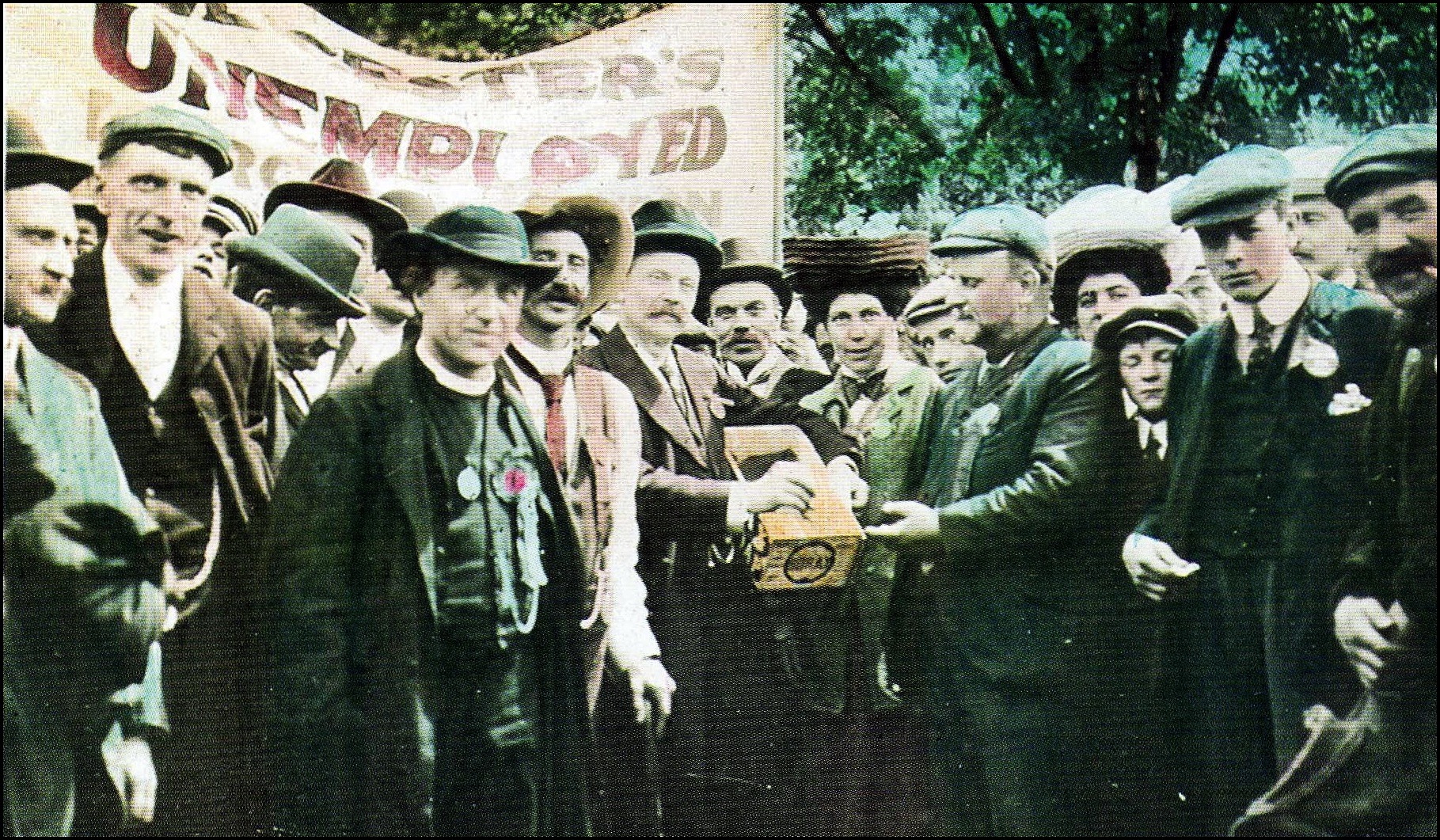
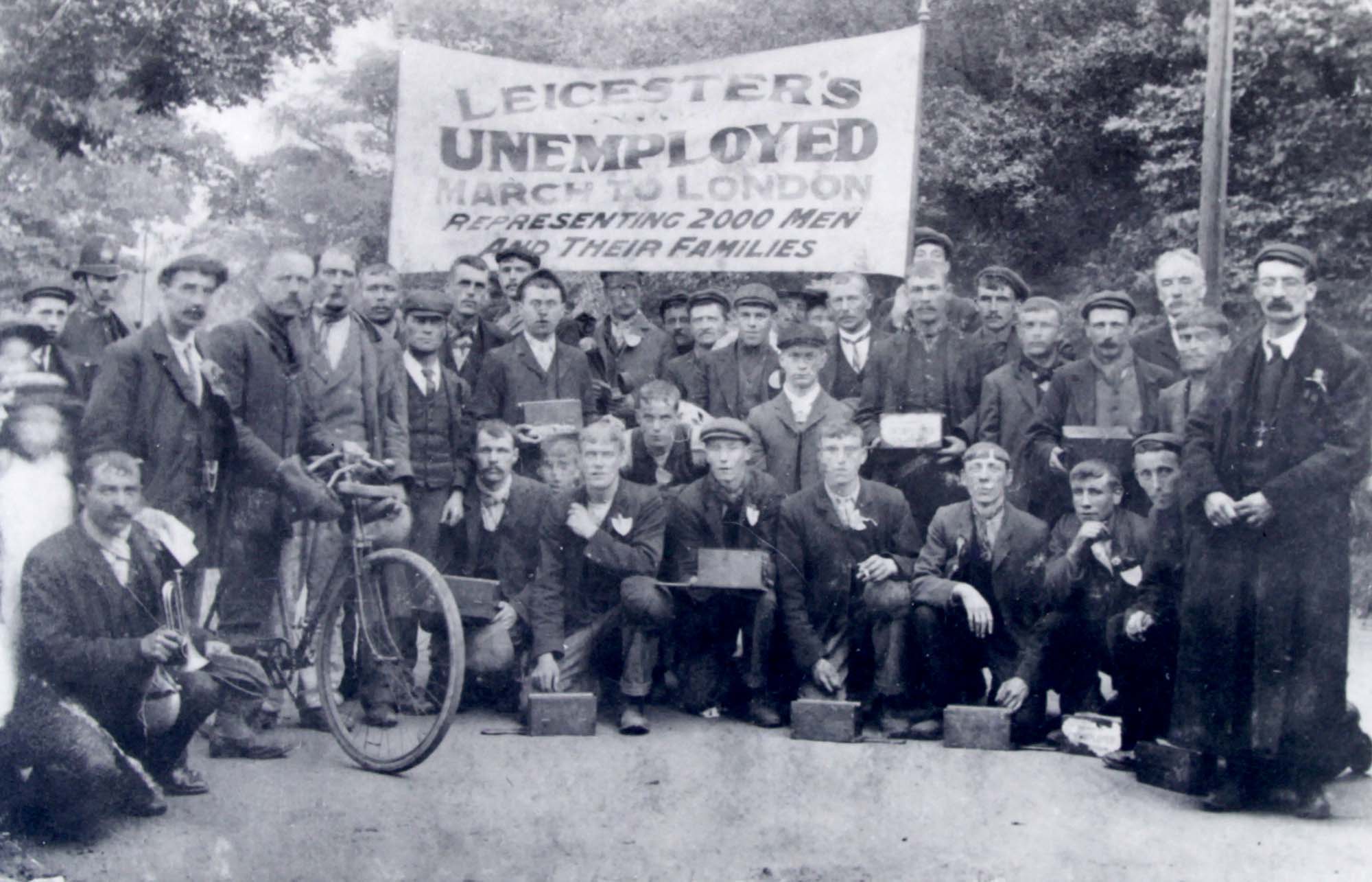
After being radicalised by secularist Tom Barclay, Sherriff left the Salvation Army in 1894 to join the Independent Labour Party. By 1905, a post-Boer War economic slump had left thousands destitute. On 4 June 1905, Amos gathered 497 unemployed boot and shoe workers in Leicester Market Place, cheered by a massive crowd of 30,000 people.
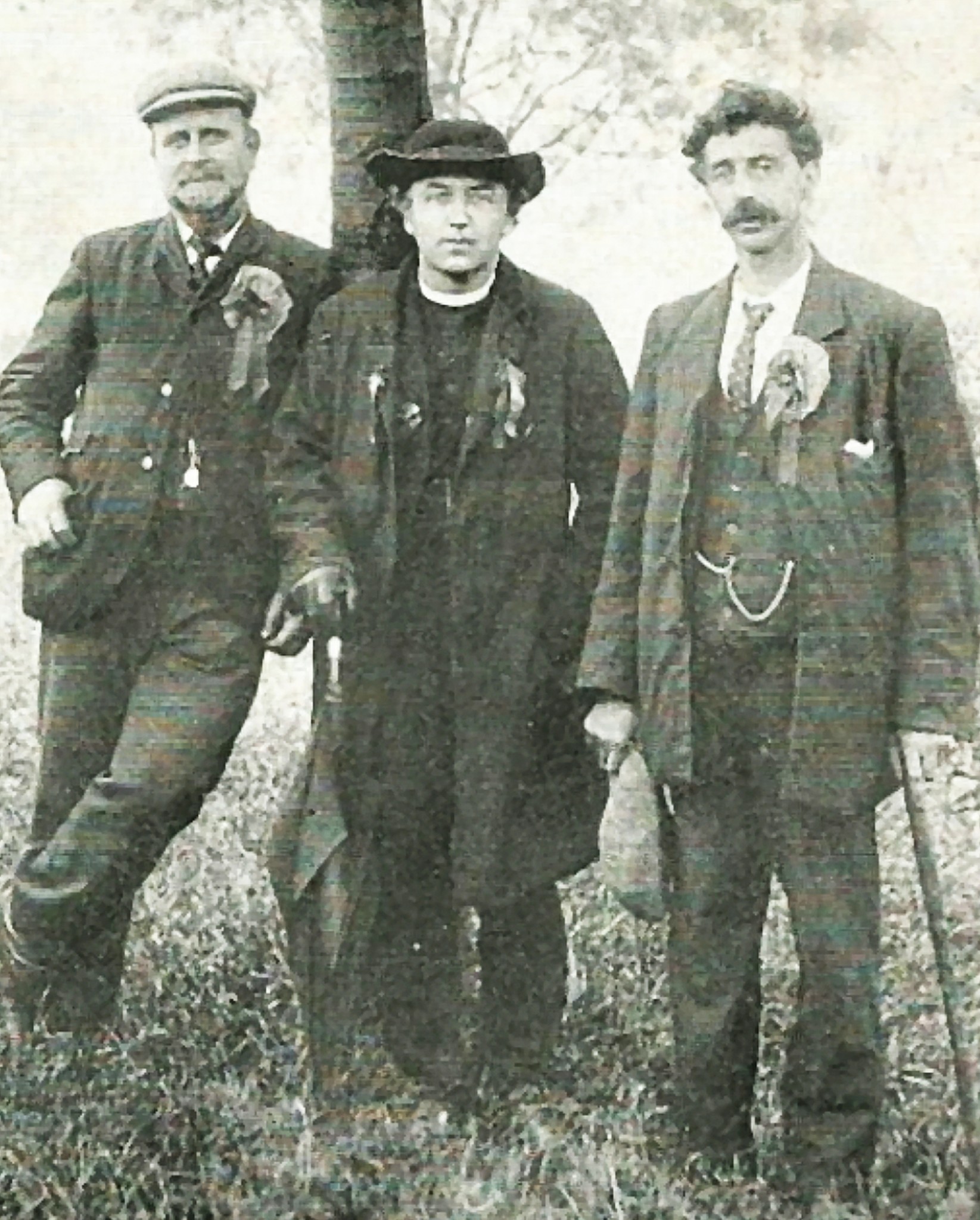
Known as "The General", Amos alongside Rev. F.L. Donaldson and George 'Sticky' White, led this highly disciplined 'Army of the Unemployed' on a 100-mile march to London to demand the 'Right to Work' from King Edward VII. The establishment press savaged them, with The Times dismissing the marchers as "shiftless," "riff-raff," and "scum."
The King refused to see them. But when the men returned to Leicester on 18 June, they were met by a staggering crowd of 140,000 people—nearly the entire city's population. Their 'Pilgrimage of Pain' successfully pressured the government into passing the Unemployed Workmen Act.
4. The Pacifist and The People's Mayor
Amos was a staunch pacifist. Days before the outbreak of World War I in August 1914, he addressed an anti-war rally in the Market Place, declaring: "War belongs to the devil and everyone who supports it must claim the devil as a parent." This radical stance delayed his political ascent, as a coalition of Tories and Liberals blocked his mayoral nomination in 1919.
But the tide could not be stopped. In November 1922, the illiterate brickmaker from the Russell Street slums was elected Lord Mayor of Leicester—the city's first Labour mayor. He used his office to dismantle the penal cruelty of the Victorian Poor Law, famously humanising the workhouse by introducing films and dignity for the residents.
Amos died in July 1945 at the age of 89. He left behind a 170-year legacy of resistance.
"Amos Sherriff is my 1st cousin, 4x removed. Growing up with his history in Leicestershire, I realised that the 'scum' label the establishment used to dismiss him and the 497 marchers was actually a badge of a majority they were terrified of.
Radical Left S.C.U.M. exists to finish the march he started in Leicester Market Place. We aren't just wearing the history; we are the direct descendants of the signal. The march continues."
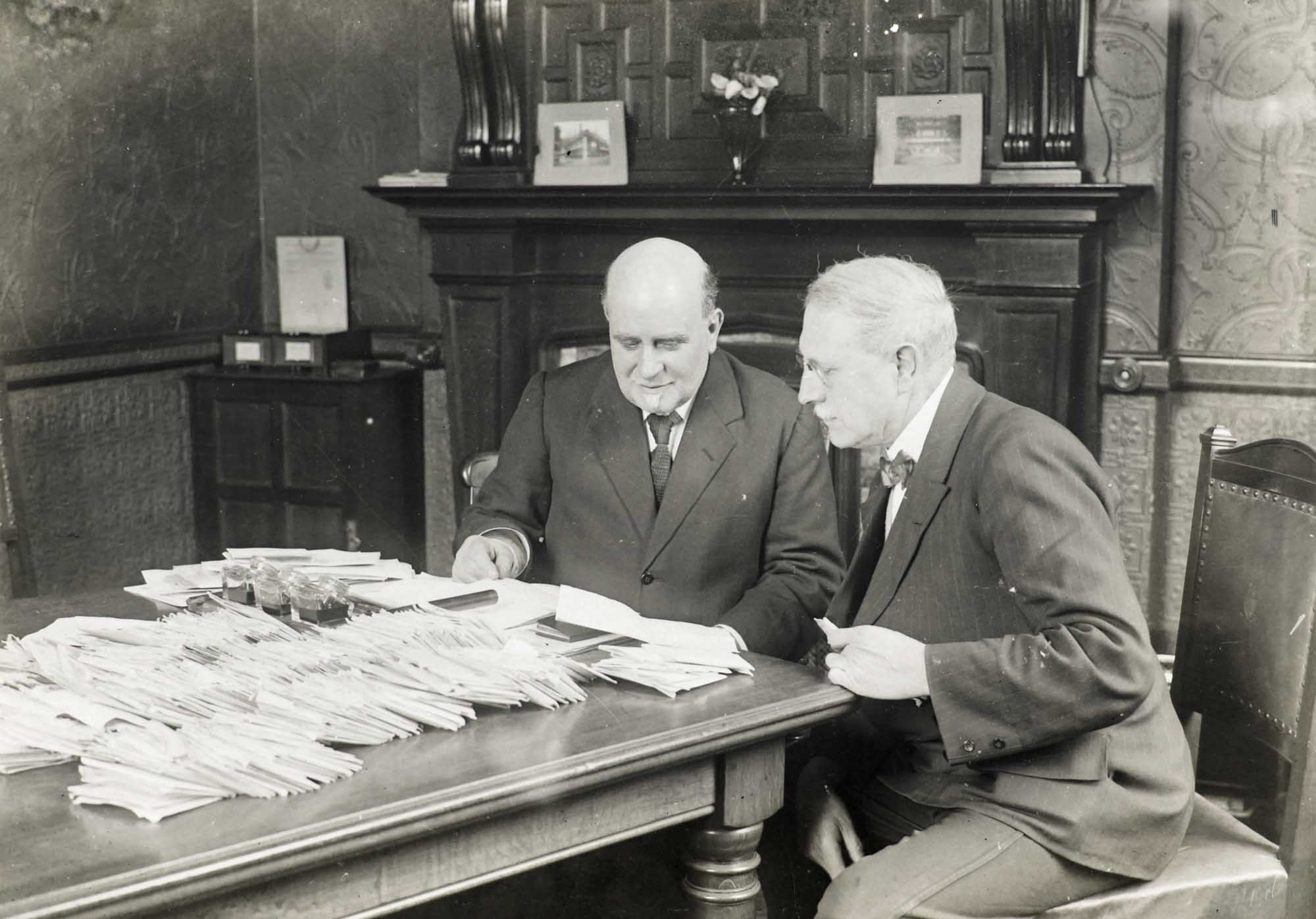
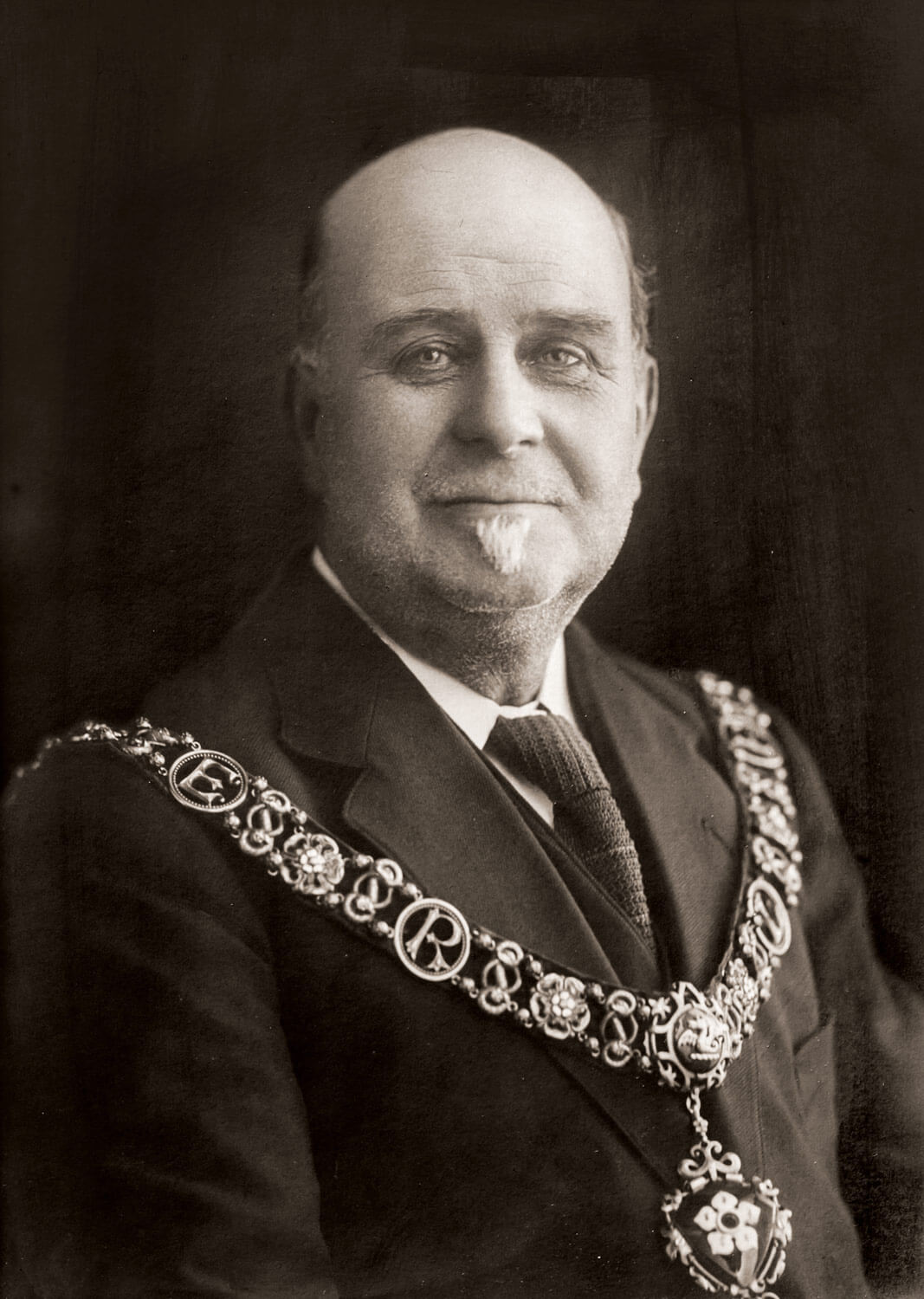
CARRY THE LEICESTER SIGNAL.
Amos Sherriff moved from the streets to the Town Hall by building a swarm that could not be ignored. Secure your credentials and authenticate your status in the Majority.